The saree is not just a garment—it is one of the oldest living traditions in the world. Worn for over 5,000 years, its roots trace back to the Indus Valley Civilization, where unstitched draped clothing formed the foundation of Indian attire. The word “saree” itself comes from the Sanskrit term meaning “strip of cloth,” yet this simple definition barely captures its depth. It represents identity, culture, and craftsmanship across India’s diverse regions. very saree carries a story—of the weaver, the region, the occasion, and the woman who wears it. From Banarasi of Varanasi to Paithani weaves of Maharashtra and Jamdani art of Bengal, India’s saree heritage reflects a rich blend of tradition, art, and innovation. Even today, millions of artisans continue to preserve this legacy, making saree weaving a vital part of India’s cultural heritage.
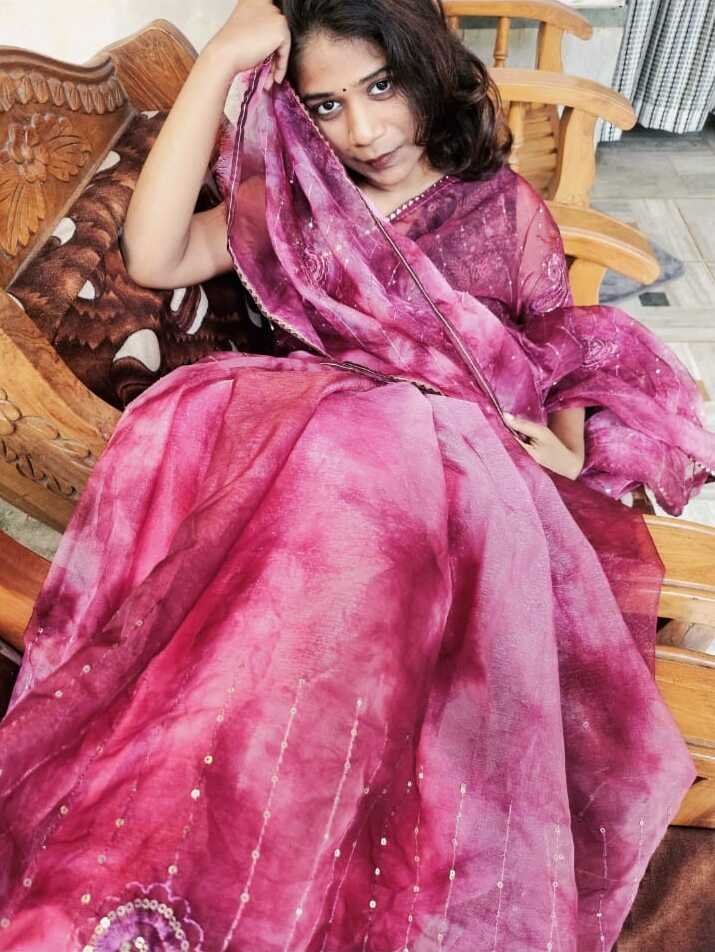
What Makes Saree Heritage Unique?
The saree stands apart because it is an unstitched garment, adaptable across generations, body types, and occasions. It has evolved with time yet retained its essence—making it both traditional and modern at the same time. Unlike fast fashion, sarees are often passed down as heirlooms, carrying emotional and cultural value. This continuity is what makes saree heritage truly timeless.
What is the origin of the saree in India?
The saree originated in ancient India during the Indus Valley Civilization (around 2800–1800 BCE). Early sculptures and texts show women wearing draped garments similar to today’s saree. Over time, it evolved from a three-piece outfit (antariya, uttariya, and chest band) into the single drape we recognize today. This transformation reflects India’s cultural evolution while preserving its core identity.
Why is the saree considered a symbol of heritage?
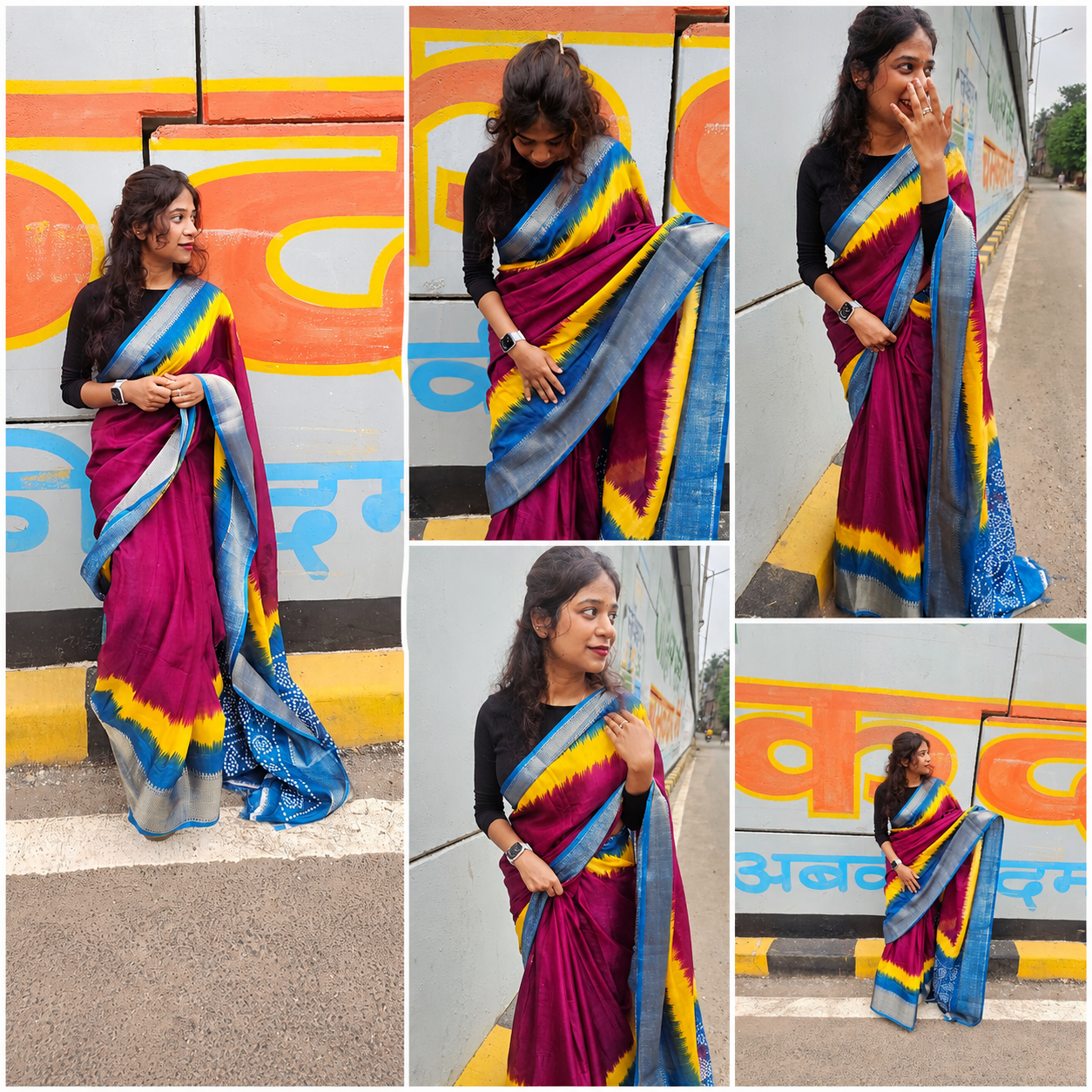
The saree is considered a symbol of heritage because it connects generations, regions, and traditions. Each saree style represents a specific culture—Banarasi for royalty, Kanjeevaram for South Indian traditions, and Bandhani for Gujarat and Rajasthan. Additionally, sarees are deeply tied to rituals and celebrations. From weddings to festivals, they mark important life events, making them more than just clothing—they are cultural expressions.
Why are handloom sarees important for Indian heritage?
Handloom sarees are the backbone of India’s textile heritage. They are crafted manually by skilled artisans, often taking days or even months to complete. These sarees preserve traditional techniques passed down through generations and support millions of weavers across India. In today’s world of mass production, handloom sarees stand as a symbol of authenticity, sustainability, and cultural pride.
Is saree heritage still relevant in modern fashion?
Yes, saree heritage is more relevant than ever. Modern designers and influencers are reinventing sarees with contemporary drapes, lightweight fabrics, and fusion styling. Celebrities and younger generations are embracing sarees for weddings, events, and even casual wear, proving that tradition can evolve without losing its essence.
Why is the saree called a “timeless drape”?
The saree is called a timeless drape because its basic form has remained unchanged for thousands of years. Despite evolving styles and trends, the essence of wrapping a single piece of cloth around the body has stayed constant. Its versatility—over 80 draping styles, multiple fabrics, and endless designs—ensures that it never goes out of fashion.
Conclusion
The saree stands as one of the most powerful symbols of India’s cultural continuity—an enduring expression of identity that has gracefully moved through centuries without losing its essence. In a rapidly evolving world where fashion trends change overnight, the saree remains rooted in tradition while effortlessly adapting to modern sensibilities. This unique balance between preservation and transformation is what truly defines its timeless appeal. At its core, the saree is more than just attire; it is a narrative woven into fabric. Each thread carries the legacy of artisans who have dedicated their lives to preserving intricate weaving techniques passed down through generations. Whether it is the delicate artistry of handloom weaving or the richness of silk craftsmanship, every saree reflects the devotion, patience, and skill of the weaver. These artisans are not merely creators of garments—they are storytellers, historians, and custodians of India’s textile heritage. The diversity of sarees across India further enhances their cultural significance. From the grandeur of Banarasi silks to the elegance of Kanjeevaram weaves, from the vibrant Bandhani patterns of Gujarat to the intricate Jamdani work of Bengal, each region contributes its own unique chapter to the larger story of saree heritage. This diversity is not just geographical; it represents the vast cultural landscape of India, where traditions, rituals, and artistic expressions vary yet remain interconnected through the saree. Another defining aspect of saree heritage is its emotional and generational value. Unlike most modern garments, sarees are often passed down as heirlooms, carrying memories of special occasions, family traditions, and personal milestones. A mother’s wedding saree, a grandmother’s festive drape, or a gifted piece from a loved one—all become symbols of continuity and connection. In this way, the saree transcends its material form and becomes a vessel of emotions, preserving stories that are deeply personal yet universally relatable. In today’s context, the relevance of the saree has only grown stronger. As the world becomes more conscious of sustainability and ethical fashion, the saree naturally aligns with these values. Its longevity, versatility, and minimal waste production make it an environmentally responsible choice. Handloom sarees, in particular, support local economies and empower artisan communities, ensuring that traditional crafts continue to thrive in the face of industrialization. Choosing a saree is not just a style statement—it is a conscious decision to support heritage, sustainability, and craftsmanship. The modern reinterpretation of sarees has also played a crucial role in keeping this tradition alive. Designers and young creators are experimenting with new fabrics, innovative draping styles, and contemporary aesthetics, making sarees more accessible and appealing to younger generations. From office wear to casual outings and high-fashion events, the saree has seamlessly integrated into every aspect of modern life. This adaptability proves that tradition does not have to be static; it can evolve while staying true to its roots. Social media and digital platforms have further amplified the reach of saree culture, turning it into a global phenomenon. Influencers, designers, and brands are showcasing the beauty and versatility of sarees to audiences worldwide, redefining how they are perceived and worn. This digital revival has not only increased appreciation for sarees but has also created new opportunities for artisans and small businesses, bridging the gap between tradition and technology. However, preserving saree heritage requires collective effort. As consumers, there is a responsibility to value authenticity over mass production, to understand the story behind the fabric, and to support artisans who keep these traditions alive. Education and awareness play a vital role in ensuring that future generations recognize the importance of saree heritage and continue to celebrate it. By embracing sarees not just as fashion but as cultural artifacts, we contribute to the preservation of an invaluable legacy. The saree also holds a deeper symbolic meaning—it represents strength, grace, and individuality. It adapts to the wearer, allowing each person to style it in a way that reflects their personality. This fluidity makes the saree a powerful expression of identity, breaking barriers of age, body type, and occasion. It is inclusive, empowering, and timeless—qualities that resonate strongly in today’s world. Looking ahead, the future of saree heritage appears promising. With increasing awareness about cultural roots and sustainable fashion, more people are rediscovering the beauty and significance of traditional attire. The fusion of heritage with innovation ensures that the saree will continue to evolve, appealing to both traditionalists and modern audiences alike. As long as there is appreciation for craftsmanship, culture, and storytelling, the saree will remain an integral part of India’s identity. In conclusion, the saree is not merely a piece of clothing—it is a living heritage that embodies the spirit of India. It connects the past with the present, tradition with modernity, and artisans with wearers. Every drape tells a story, every weave reflects history, and every saree carries the essence of a culture that values beauty, resilience, and continuity. By embracing and celebrating saree heritage, we honor not only a timeless tradition but also the countless hands and hearts that have kept it alive for generations. The saree, in all its elegance and diversity, will continue to inspire, evolve, and remain a symbol of India’s rich cultural legacy for years to come.