A Saree is a traditional Indian garment consisting of a long piece of fabric, usually ranging from five to nine yards in length, draped elegantly around the body. It is typically paired with a blouse and a petticoat. For centuries, the saree has remained an integral part of Indian fashion and continues to be admired worldwide for its versatility and grace. At Ay Sa Aura, we believe fashion is not just about what you wear — it’s about what you represent . Saree’s are not just garments; they are stories woven through generations. They carry the strength of women who built, nurtured, and fought for this country. From queens to everyday women, the saree has always stood as a symbol of grace, resilience, and identity. When Rani Lakshmibai stepped into battle wearing a saree, it wasn’t just tradition — it was power in its purest form.
Today, as trends shift rapidly and western wear dominates wardrobes, we don’t see it as competition — we see it as a moment to reconnect. Somewhere along the way, convenience replaced culture. But culture never fades; it waits to be rediscovered . At Ay Sa Aura, our mission is to bring the saree back into everyday life — not as a nostalgic piece, but as a modern statement. We want women to feel confident, bold, elegant and effortless in saree’s, whether they are at work, at a celebration, or simply living their daily lives.
Our vision is to redefine how sarees are perceived. Not as something reserved for occasions, but as something powerful enough for every day. We aim to build a community where tradition and modernity coexist — where a woman doesn’t have to choose between comfort and culture, or style and roots.
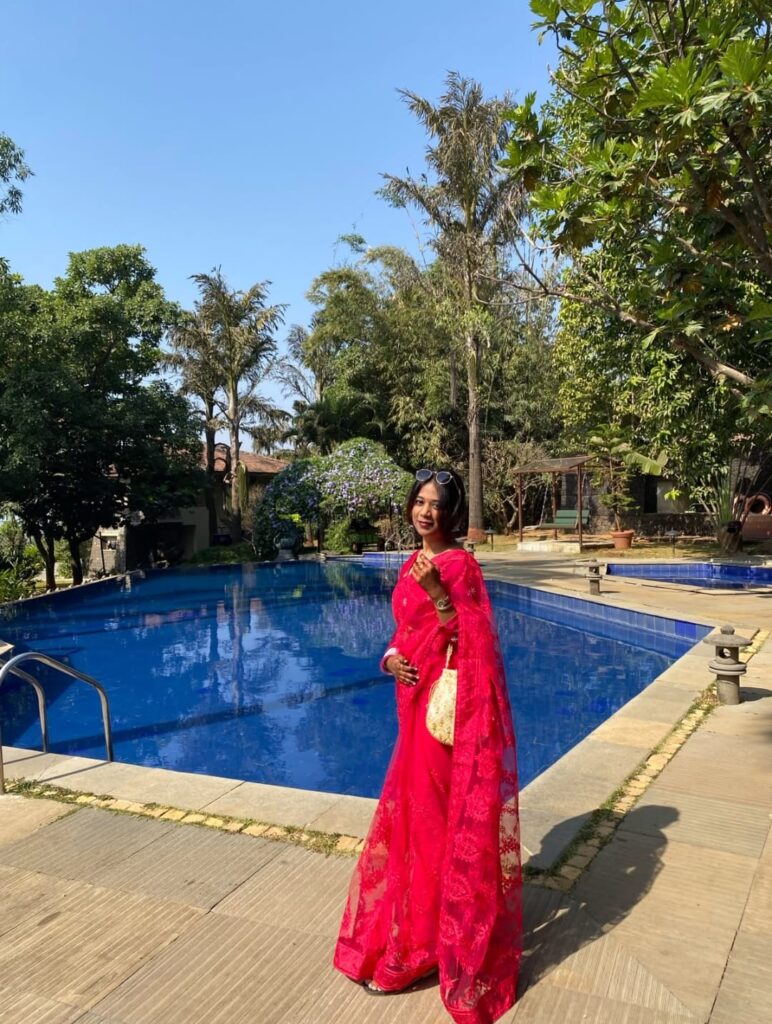
Why is the Saree Important?
The importance of the saree goes far beyond fashion. It is deeply connected to Indian culture, family traditions, and personal identity.
Symbol of Cultural Heritage:- The saree reflects India’s rich textile traditions and cultural diversity. Every region has its own distinctive style, including Banarasi, Kanjeevaram, Bandhani, Paithani, and Chanderi sarees. These regional variations showcase the craftsmanship and artistic heritage passed down through generations.
Representation of Elegance and Femininity:- The saree enhances natural grace and elegance. Its flowing drape complements different body types, making women feel confident and sophisticated. The garment has long been associated with beauty, dignity, and feminine charm.
Connection to Family Traditions :- Many women treasure sarees inherited from mothers and grandmothers. These garments often carry emotional value and family memories, making them cherished heirlooms that connect generations.
Essential for Celebrations:- Weddings, festivals, religious ceremonies, and cultural events often feature sarees as the preferred attire. Their significance during these occasions highlights their enduring role in Indian society.
Timeless Fashion Statement:- Despite changing fashion trends, the saree continues to evolve through innovative draping styles, modern blouses, designer interpretations, and ready-to-wear versions, ensuring its relevance among younger generations.
Available in a wide variety of fabrics such as silk, cotton, chiffon, georgette, organza, and linen, the saree can be styled in numerous ways depending on regional traditions and personal preferences.
What Do Women Want from a Saree Today?
Modern women seek a balance between tradition and convenience. Their preferences have evolved to match contemporary lifestyles while preserving cultural values.
Comfort and Ease of Wear:- Busy lifestyles have increased demand for lightweight fabrics and pre-draped sarees that offer elegance without complicated draping. Convenience has become an important factor in saree selection.
Style and Individual Expression:- Women increasingly use sarees to showcase their personal style. Modern blouse designs, innovative draping techniques, statement accessories, and fusion fashion allow them to create unique looks.
Versatility:- Today’s women want sarees that can transition seamlessly from professional settings to social events. Versatile fabrics and contemporary designs meet these diverse needs.
Sustainability and Craftsmanship:- There is growing appreciation for handloom sarees and artisan-crafted textiles. Many women prefer garments that support traditional weaving communities while offering authenticity and quality.
What are Trending Saree Styles in 2026?
Fashion trends continue to reinvent the saree while preserving its traditional appeal. Some of the most popular saree trends include:
Mul Silk Saree:- It’s a combine a cloud soft, lightweight drap with a luxurious, elegant sheen.
Mul Cotton Saree:- These saree are highly prized for their ultra soft, feather light texture and excellent breathability which often referred to as woven wind
Banarsi Saree:- This is one of India’s most celebrated textiles, known for its luxurious silk, intricate brocade work, and motifs woven with gold- or silver-colored zari. These sarees originate from Varanasi (also called Banaras), a weaving tradition that has been practiced for centuries.
Organza Saree:- These are Lightweight, elegant, and ideal for festive occasions, organza sarees remain a favorite among fashion-conscious women.
Linen Saree:- This saree is also Known for their comfort and sophistication, linen sarees are preferred for office wear and casual Elegance
Cotton Blend Saree:- Cotton blend saree’s offer the ideal combination of breathability from cotton mixed with the durability, sheen, or crease-resistance of fabrics like silk, linen, or polyester.
Silk Cotton Blend:- Silk cotton blend saree’s perfectly balance the lightweight comfort of breathable cotton with the rich, luminous sheen of fine silk.
Lehriya Saree:- Lehriya silk cotton saree’s bring together Rajasthan’s iconic wavy tie-dye patterns with a fabric blend that provides structural grace and a premium sheen.
Ajrakh Saree:- Ajrakh silk cotton saree’s showcase a centuries-old block printing technique from Gujarat and Sindh, renowned for complex geometric patterns and rich natural dyes.
Bandhani Saree:- Bandhani silk cotton saree’s combine the intricate artistry of traditional Gujarati and Rajasthani tie-dye with a fabric blend that offers structural elegance and a gentle luster.
Tussar Saree:- Tussar silk saree’s, also known as Kosa silk, are celebrated for their rich natural deep-gold texture and exceptionally lightweight drape.
Batik Saree:-Batik saree’s merge the ancient art of wax-resist dyeing with fabrics like Tussar silk or cotton blends, showcasing a beautiful “crackle” effect that makes every single drape completely one-of a-kind.
Conclusion
The Saree is much more than a traditional outfit as it is a symbol of culture, confidence, beauty and identity. It continues to evolve with changing times while preserving its historical and emotional significance. Modern women seek comfort, versatility, and self-expression and the saree successfully fulfils all these expectations. Whether worn at weddings, festivals, professional events and social gatherings. The saree remains a timeless representation of grace and empowerment. We are not against western fashion — we are for balance. We are for remembering who we are while embracing who we are becoming. Ay Sa Aura stands for a return — not to the past, but to identity. A return to confidence. A return to roots. Because when a woman wears a saree, she doesn’t just dress up — she carries history, strength, and grace with her.